Understanding key minerals and their roles in supporting general well-being.
Minerals are inorganic substances essential for various physiological functions. They serve as building blocks for bones and teeth, regulate muscle and nerve function, support immune system processes, and facilitate energy production.
Major minerals include calcium, phosphorus, magnesium, sodium, potassium, and chloride. Trace minerals such as iron, zinc, copper, iodine, selenium, and manganese are required in smaller quantities but remain essential for optimal health.
Understanding the roles of different minerals helps individuals recognize the importance of consuming varied foods to meet mineral nutritional needs.
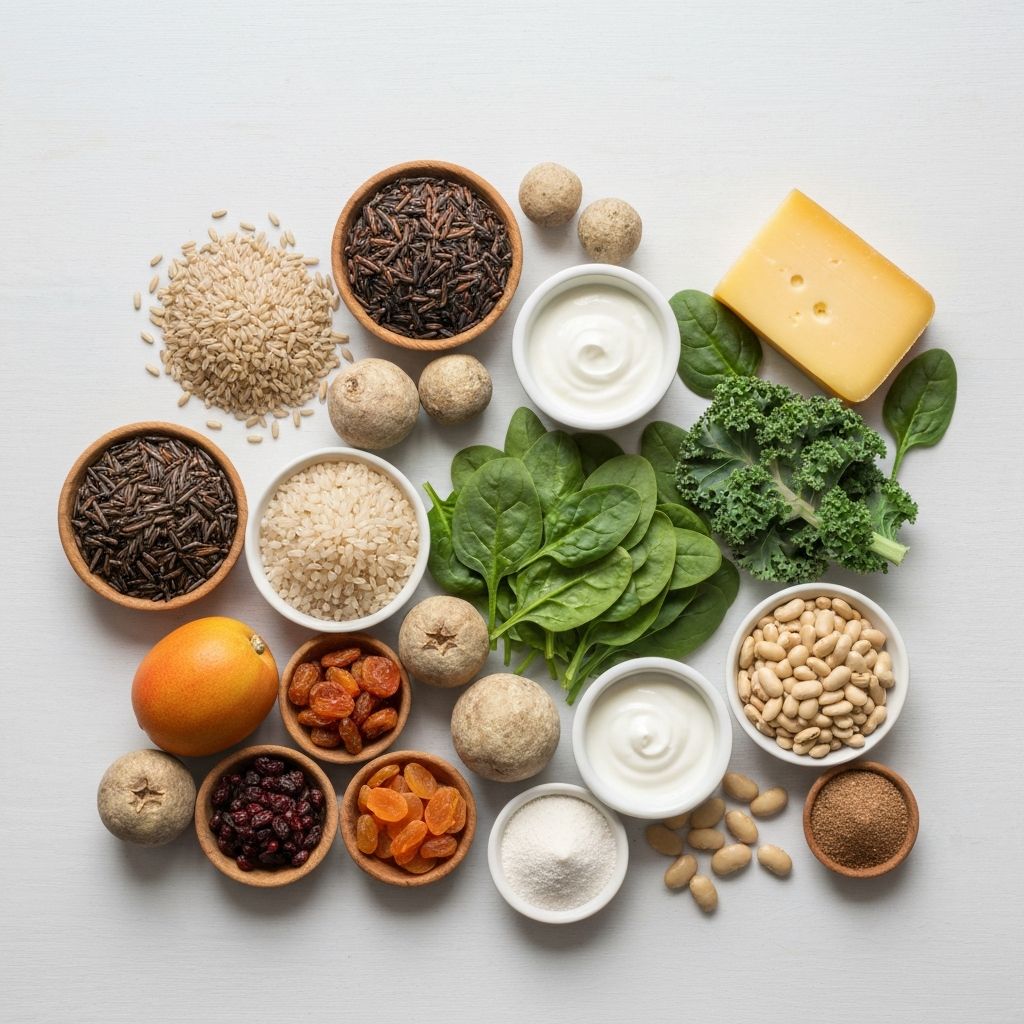
Essential for bone and tooth structure, muscle contraction, and nerve transmission. Primary sources include dairy products, leafy greens, and fortified plant-based alternatives.
Involved in over 300 enzymatic reactions, supporting muscle and nerve function, protein synthesis, and energy production. Found in nuts, seeds, whole grains, and leafy greens.
Critical for oxygen transport through hemoglobin in red blood cells and energy production. Present in lean meats, legumes, whole grains, and fortified cereals.
Supports immune function, wound healing, and protein synthesis. Good sources include oysters, beef, chicken, legumes, and seeds.
Essential for heart function, blood pressure regulation, and fluid balance. Found abundantly in bananas, sweet potatoes, legumes, and leafy greens.
Required for thyroid hormone production and metabolic function. Present in seafood, dairy products, and iodized salt.
Acts as an antioxidant and supports thyroid function. Found in Brazil nuts, seafood, and whole grains.
A varied diet incorporating diverse food groups naturally provides an array of minerals. Different foods offer different mineral profiles, emphasizing the importance of dietary variety in meeting mineral nutritional needs.
Balanced nutrition involves consuming adequate amounts of mineral-rich foods while maintaining appropriate proportions of other nutrients to support overall well-being.
⚠️ Disclaimer: This article presents educational information about minerals and their roles in nutrition. It is not intended as medical advice or for diagnosing or treating health conditions. Individual mineral requirements vary based on age, sex, activity level, and health status. Consult a healthcare professional for personalized nutritional guidance. Not a medicinal product. Consult a healthcare professional before use.
 Prylon